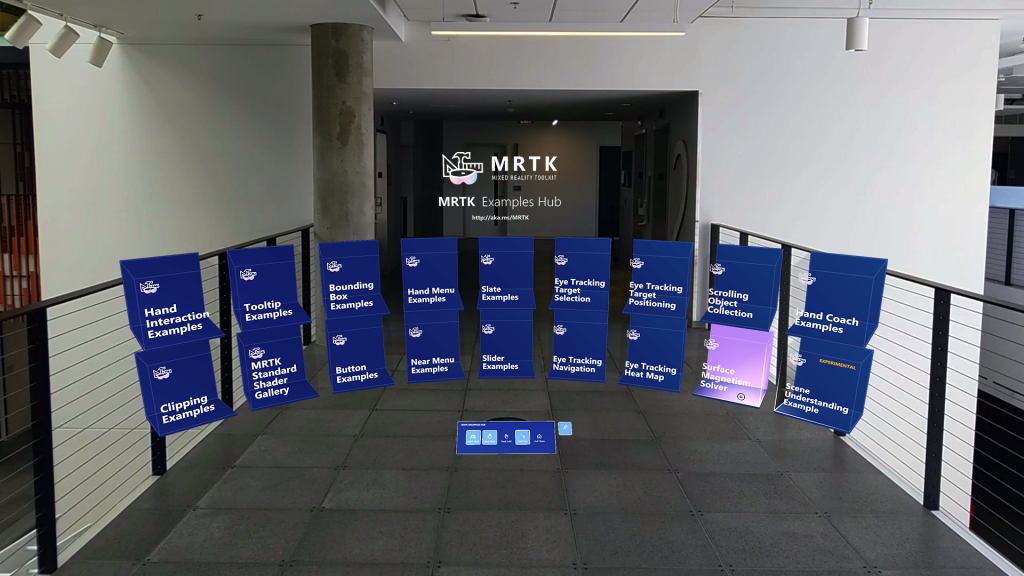
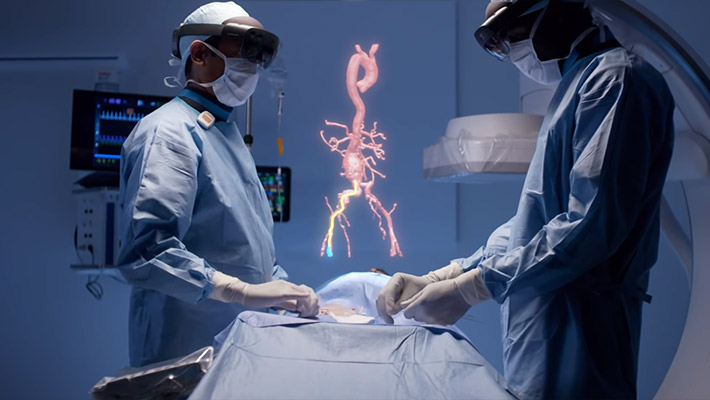
HoloLens 2 Developer Experience
Apr 2018 – 2022, Mixed Reality | Microsoft
Context
HoloLens 2 introduced articulated hand tracking, eye tracking, and direct spatial interaction. The platform could not succeed through APIs alone. Developers needed a coherent path from understanding new interaction principles to building production-ready experiences.
I led HoloLens 2 Developer Experience as an ecosystem-level design program, connecting reusable UX building blocks, example scenes, sample applications, tutorials, documentation, tools, and partner guidance into one system.
Scope & Impact
Scope
Principal Designer defining the end-to-end developer experience strategy for HoloLens 2, spanning interaction patterns, MRTK components, example scenes, sample applications, tutorials, documentation, design tools, and partner programs.
Impact
Aligned previously distributed teams and resources into a coherent path from learning to production. Raised consistency across ecosystem touchpoints and created a reusable operating model for platform adoption, interaction quality, and partner enablement.
Problem
Spatial interaction design was still emerging, while the resources developers needed were distributed across different teams, tools, samples, and documentation surfaces. This created several ecosystem-level challenges:
- Developers lacked clear, reusable UX patterns for new input modalities
- Design guidance was fragmented across tools, samples, and documentation
- Learning resources focused heavily on APIs, with limited support for interaction design thinking
- Teams and partners struggled to understand how individual resources fit into a larger system
Without a shared developer experience framework, the platform risked slower adoption, fragmented learning, and inconsistent interaction quality across products and partner solutions.
Strategy & Organizational Influence
As Principal Designer, I defined the overall developer experience framework and aligned design, engineering, program management, research, content, and partner teams around how developers should learn, build, and scale spatial experiences.
The framework clarified investment across five connected layers: reusable interaction patterns, contextual examples, sample applications, structured learning, and technical and design documentation. It gave teams a shared mental model for moving developers from first exposure to production readiness.
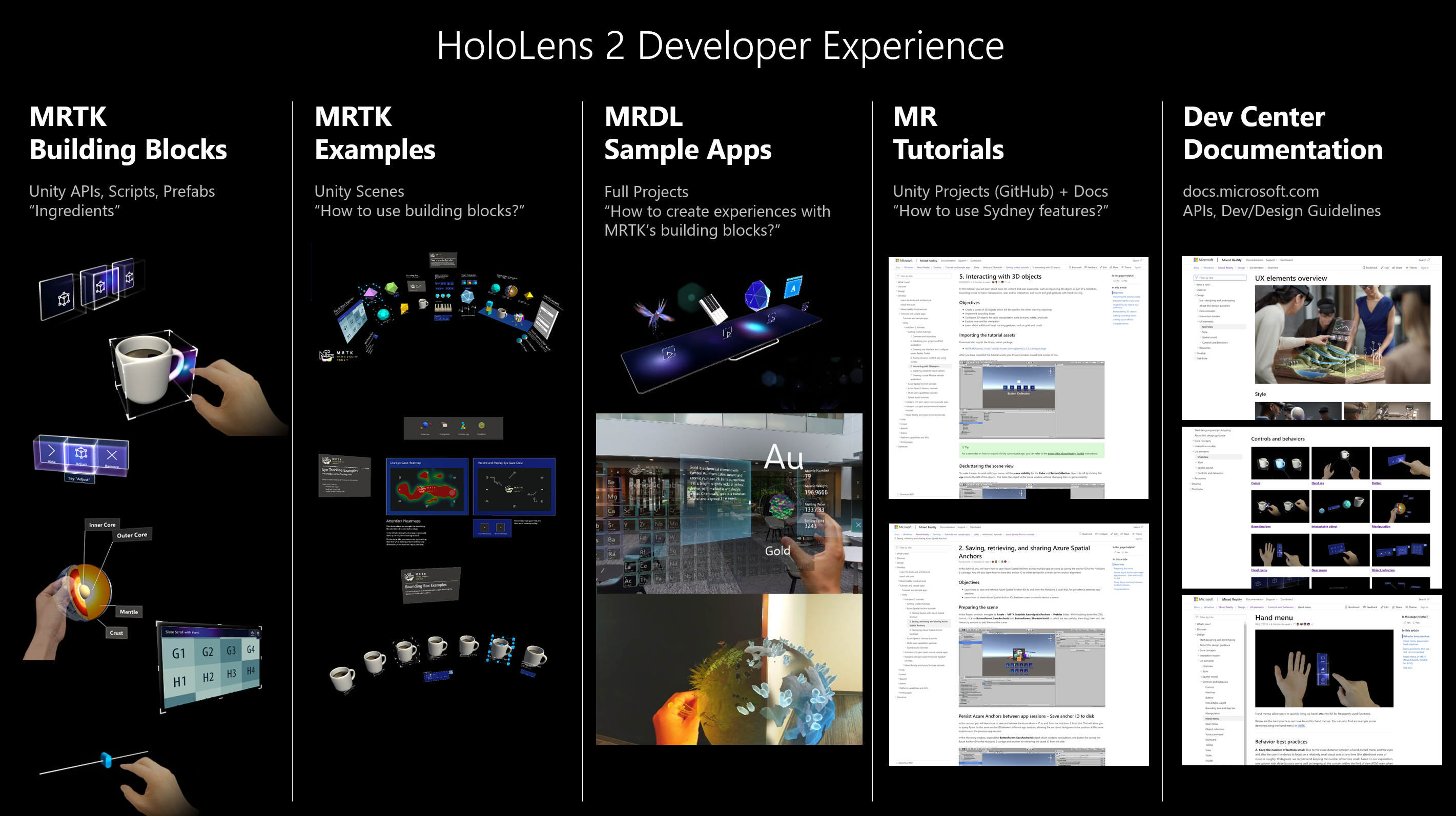
The framework consists of interconnected pillars, including:
- MRTK UX building blocks for reusable spatial interaction patterns
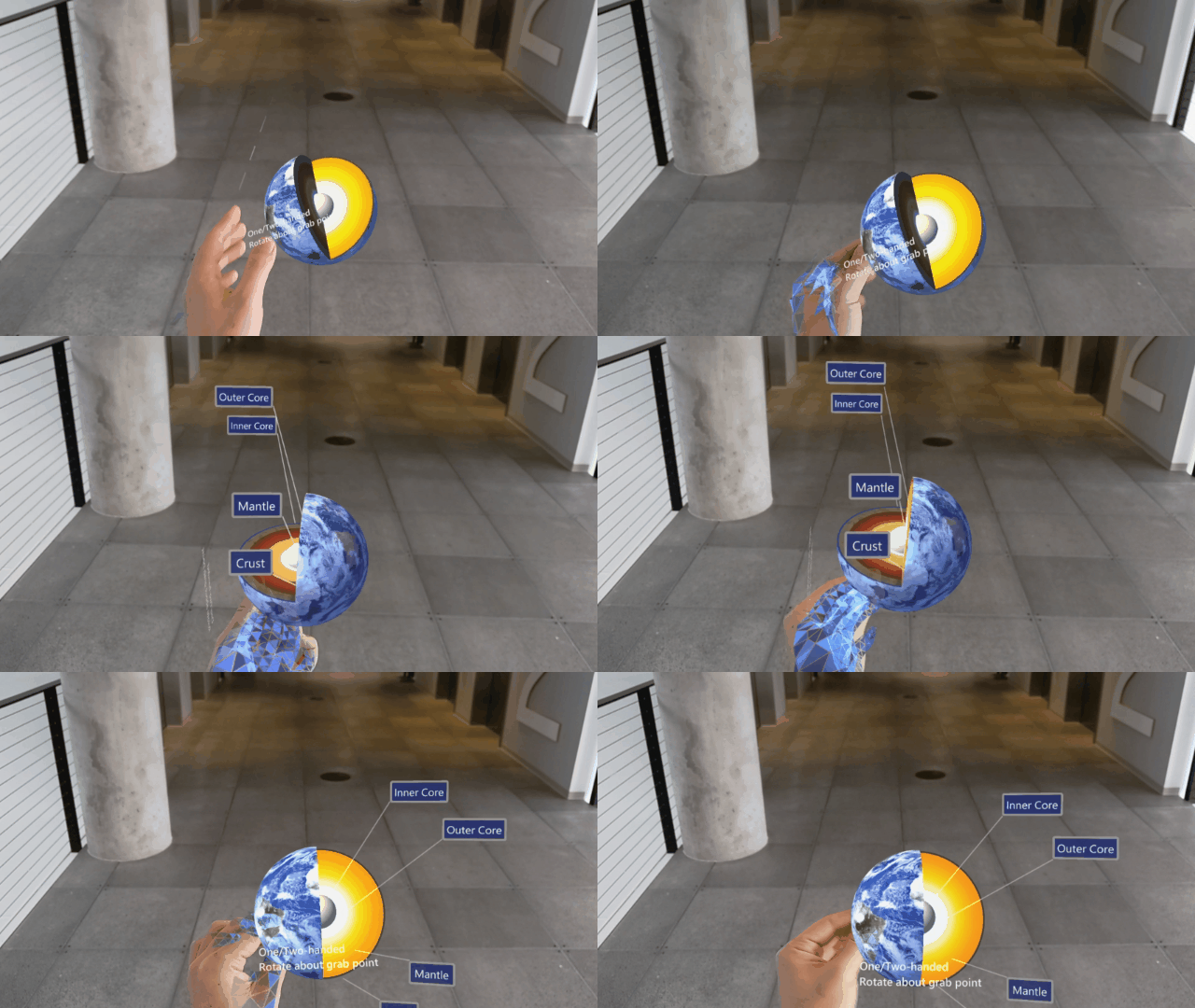
- Example scenes that demonstrate best practices in context
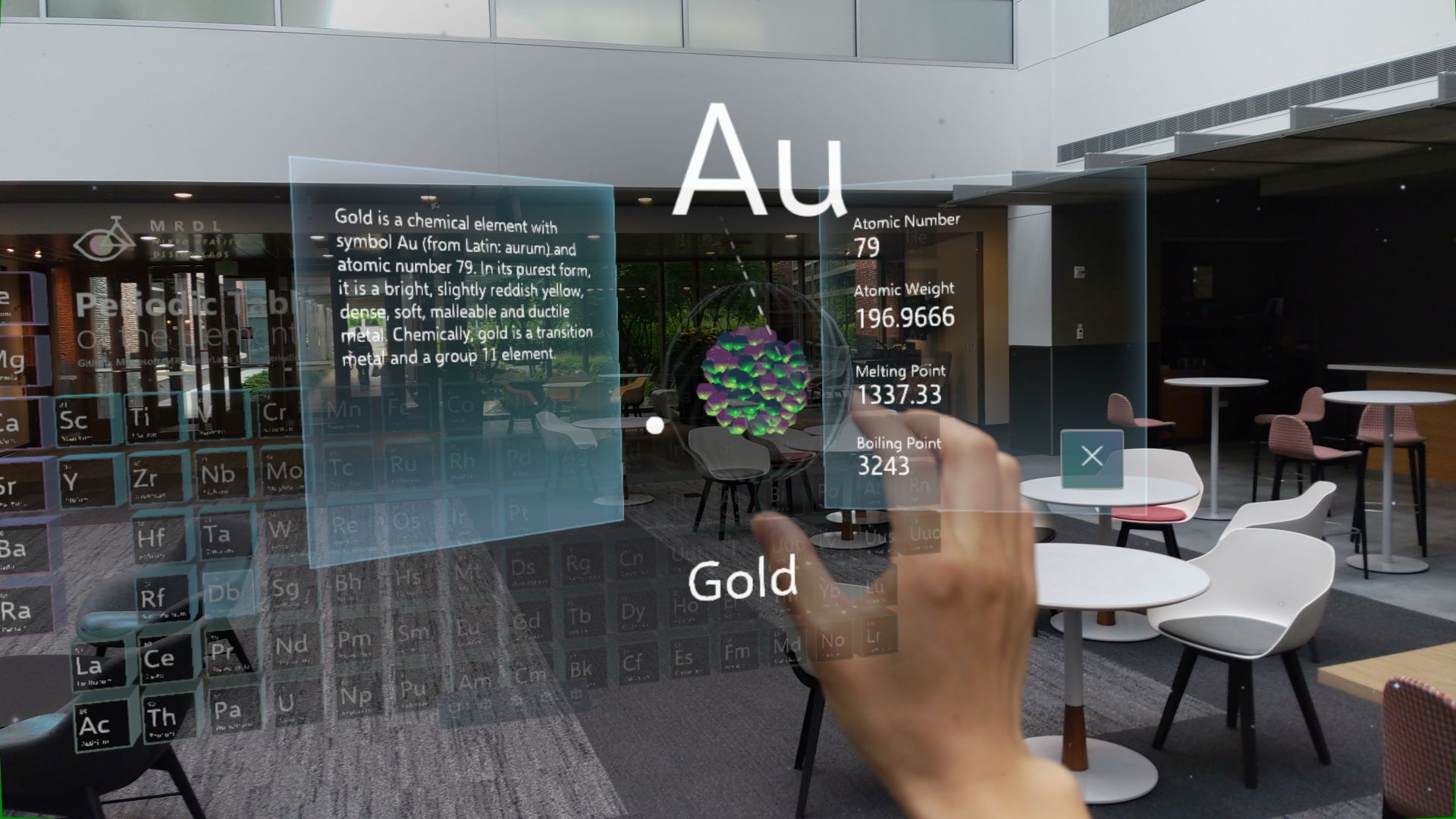
- Sample applications that showcase real-world usage scenarios
- Tutorials that guide developers step by step from fundamentals to advanced workflows
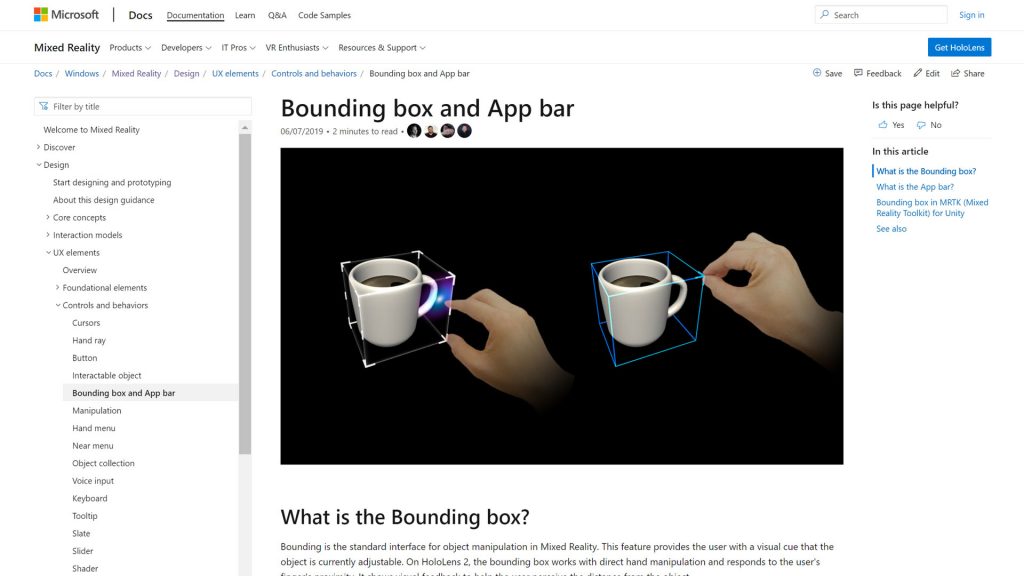
- Documentation covering foundational concepts, design guidelines, and technical implementation
Rather than treating these efforts as separate deliverables, I established them as an interconnected system with shared principles, quality bars, and priorities.
I guided cross-functional planning and design execution across UX, tooling, learning, and partner enablement, ensuring each initiative reinforced the same platform direction.
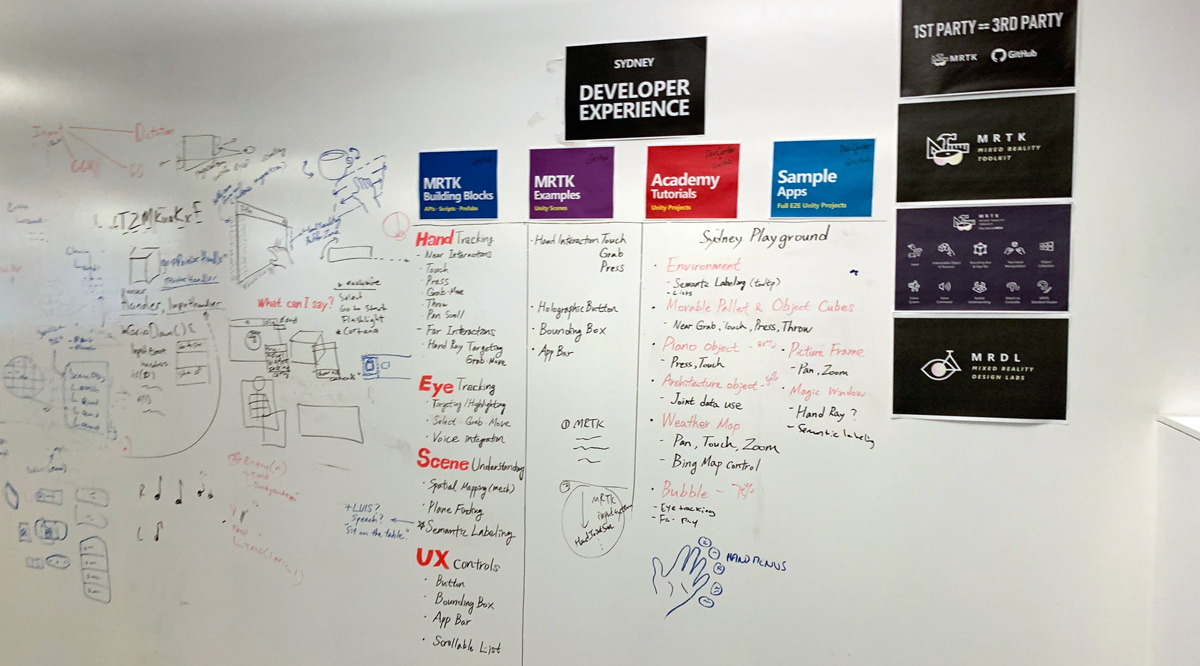
I translated the framework into concrete initiatives and maintained a shared quality bar across the portfolio.
My experience as an independent app designer, developer, and publisher helped ground the strategy in practical developer needs and real production constraints.
Platform & Ecosystem Impact
The framework aligned the organization around a shared vision for how developers should learn, build, and scale spatial experiences. It connected tools, patterns, examples, and learning resources into a coherent path and established a more consistent quality bar across the ecosystem.
This operating model supported HoloLens 2 developer adoption and created a reusable structure for future mixed reality platform work, including MRTK, design tooling, documentation, tutorials, community programs, and partner enablement.
The initiative connected the following programs, each documented in more detail below:
- MRTK UX Building Blocks
- Example Scenes and Sample Applications
- Mixed Reality Documentation and Tutorials
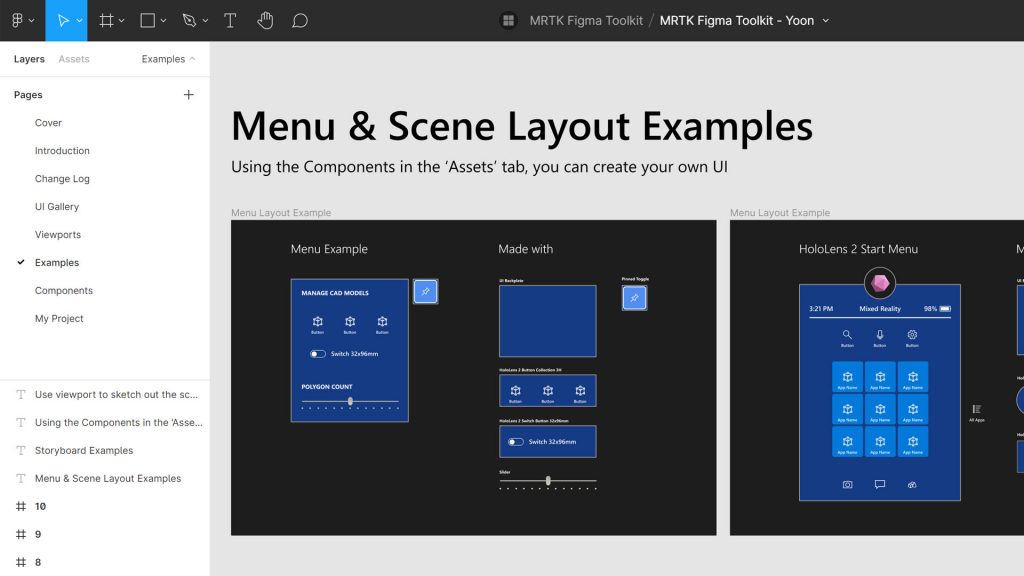
- MRTK Figma Toolkit
- Community Evangelism and Partner Enablement