2011 – 2012, Best-Seller in Korea
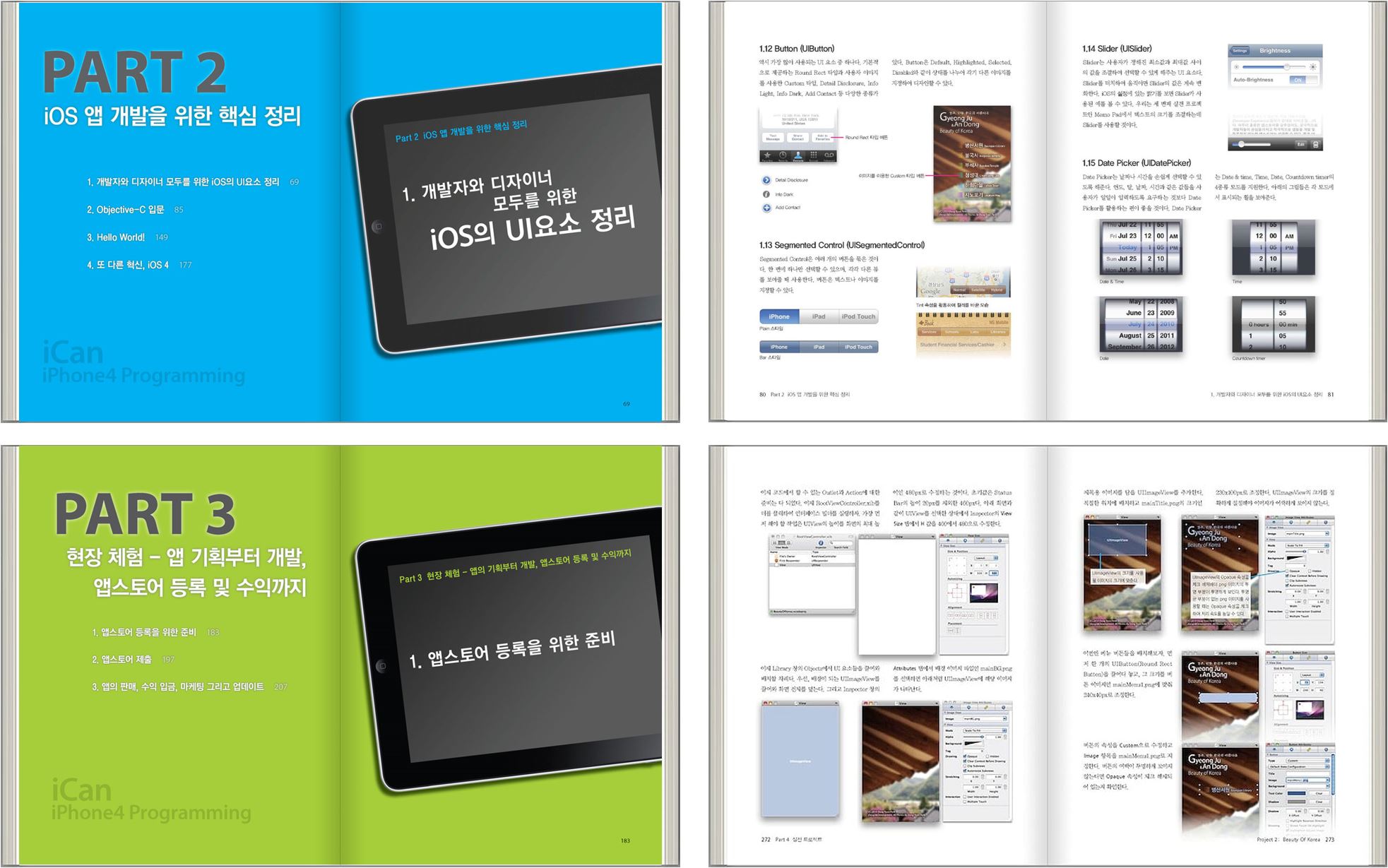
Overview
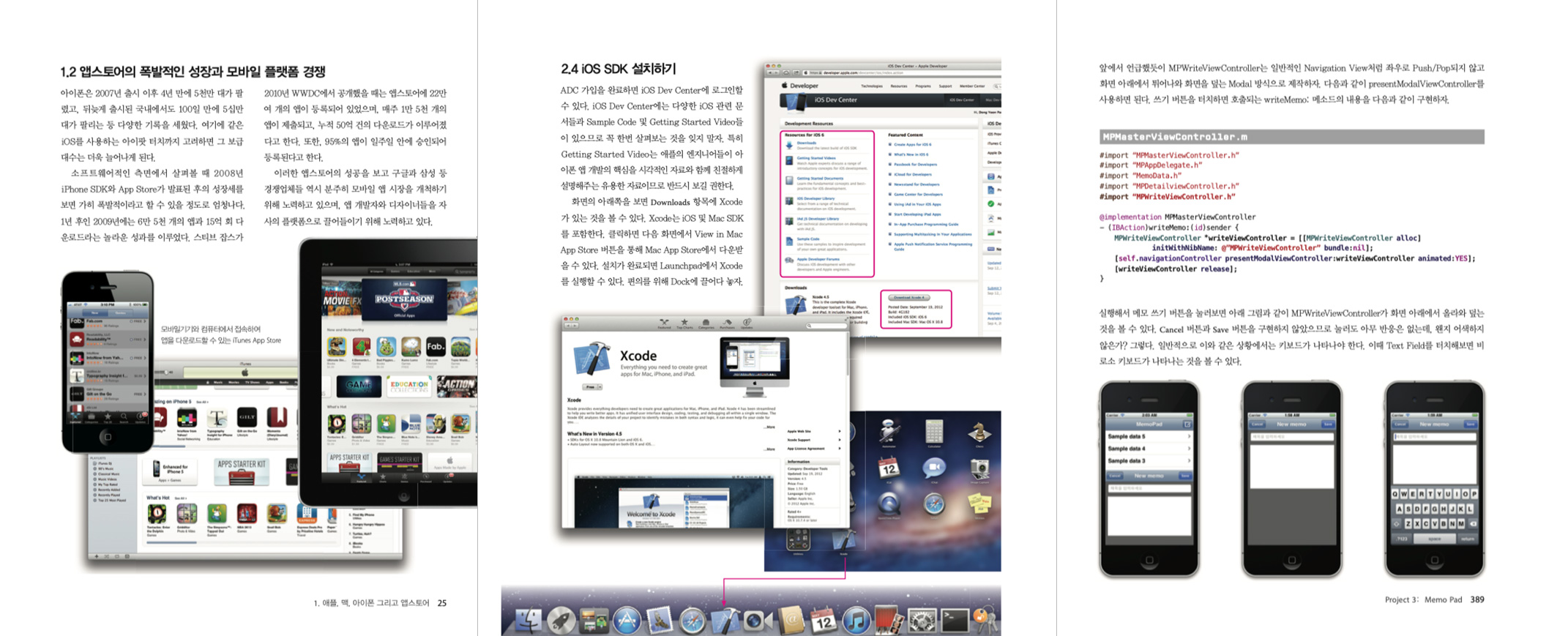
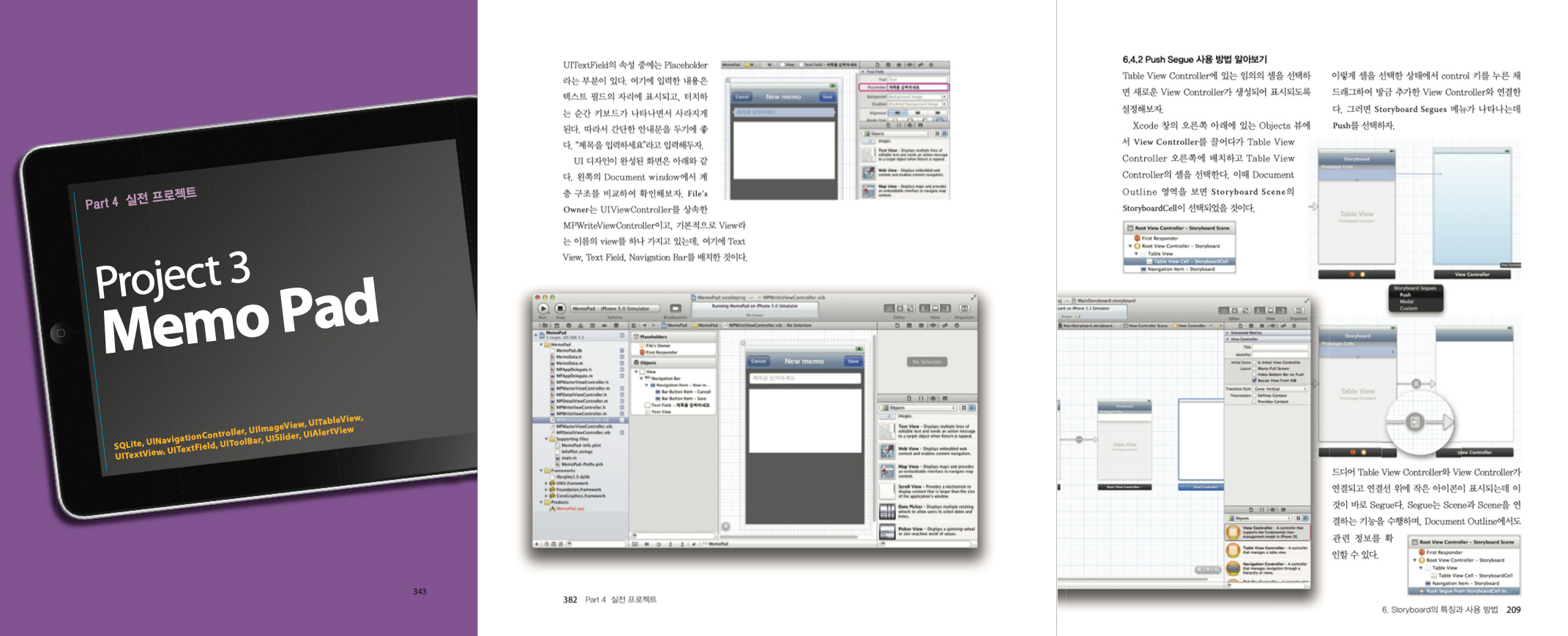
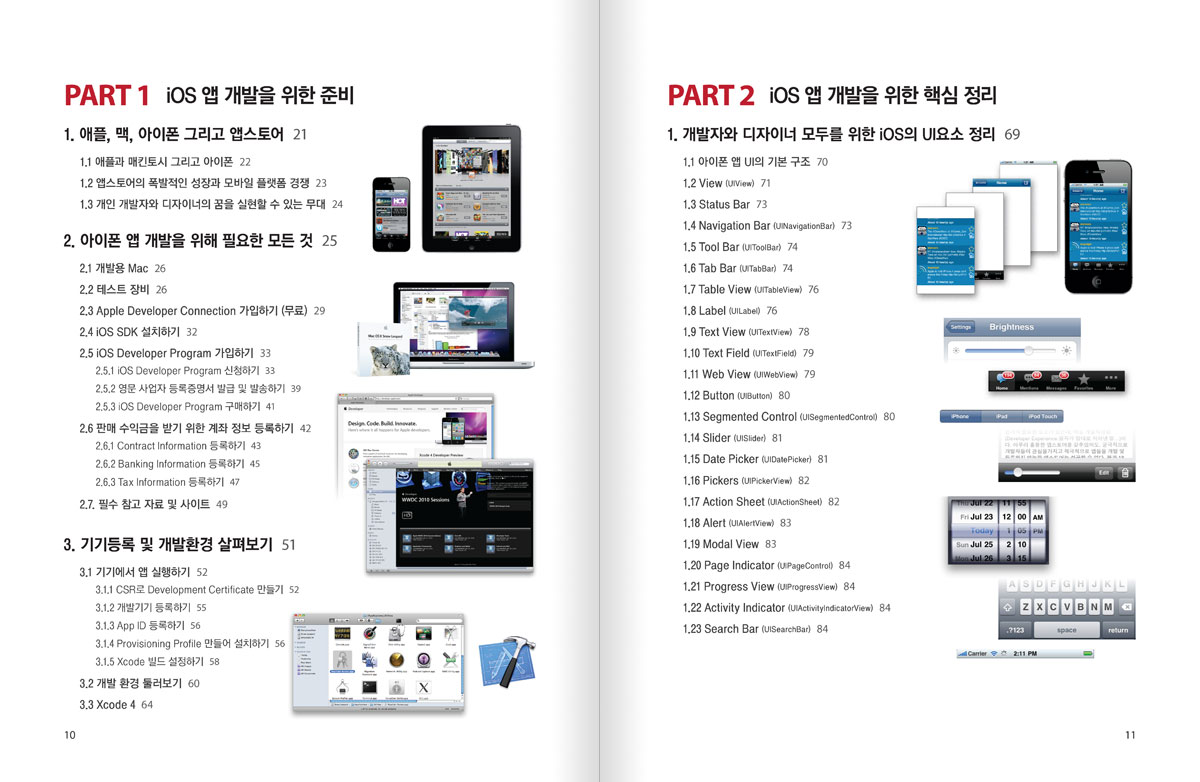
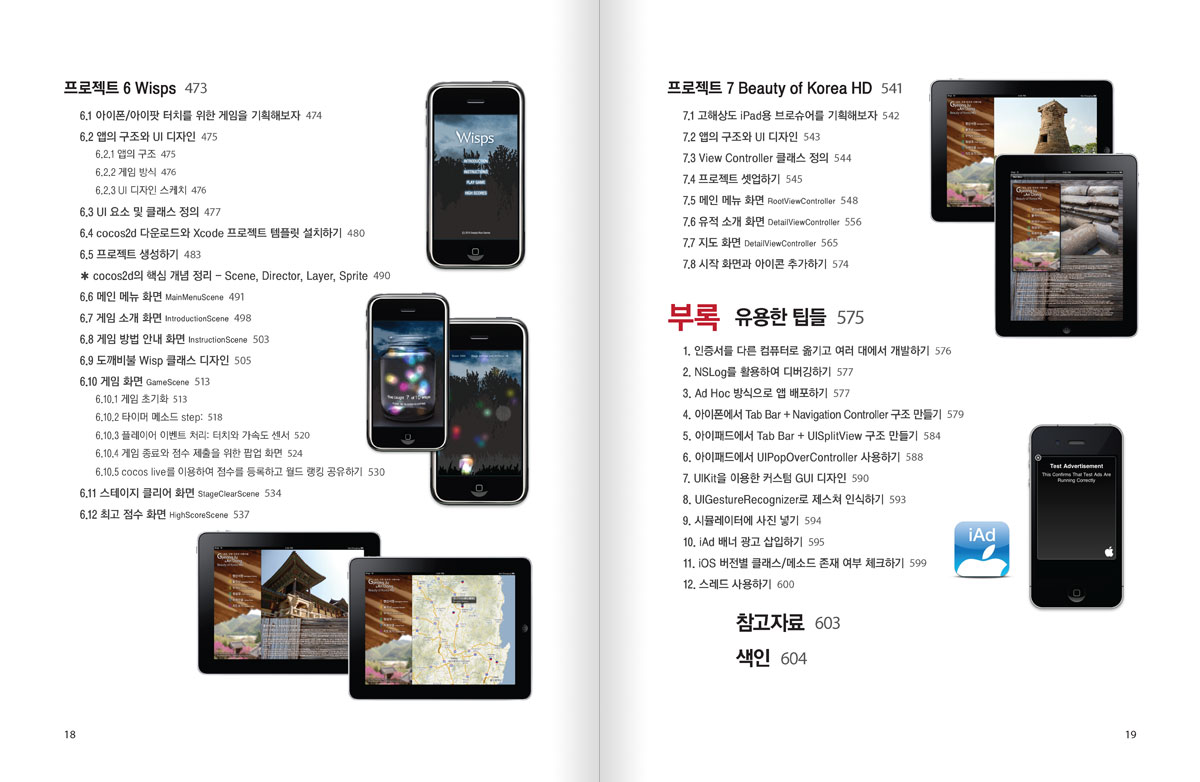
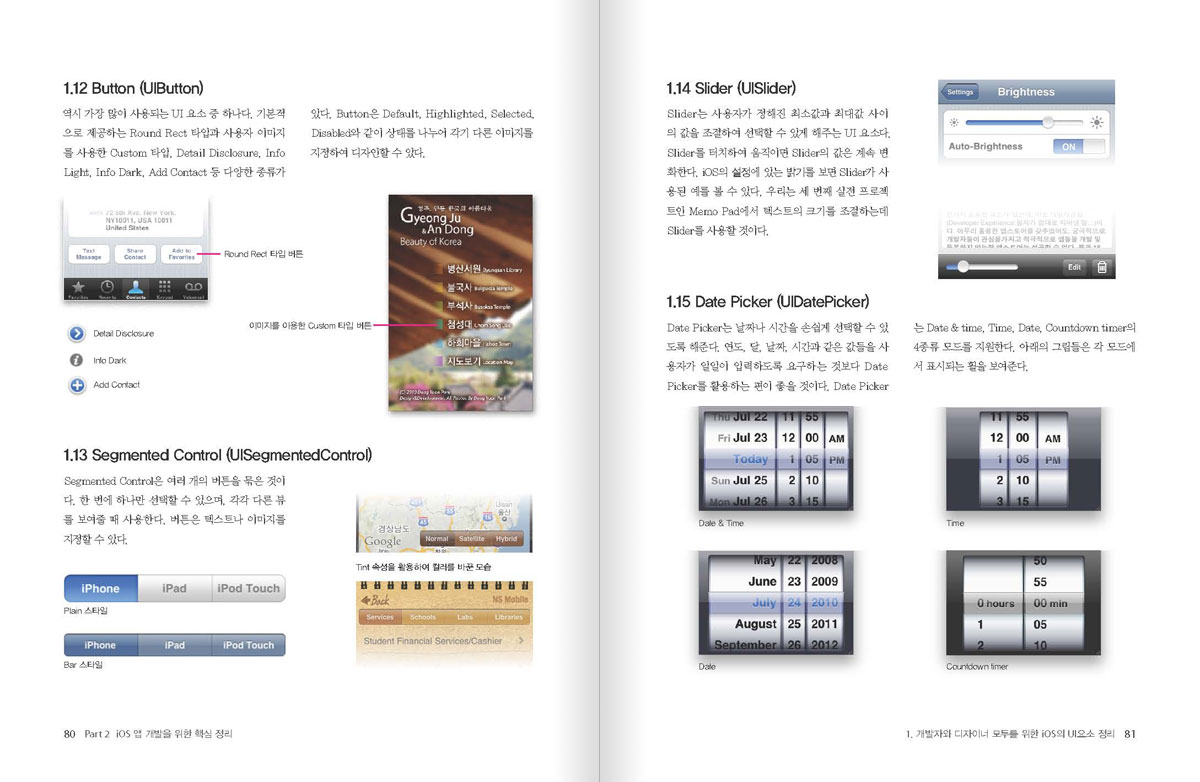
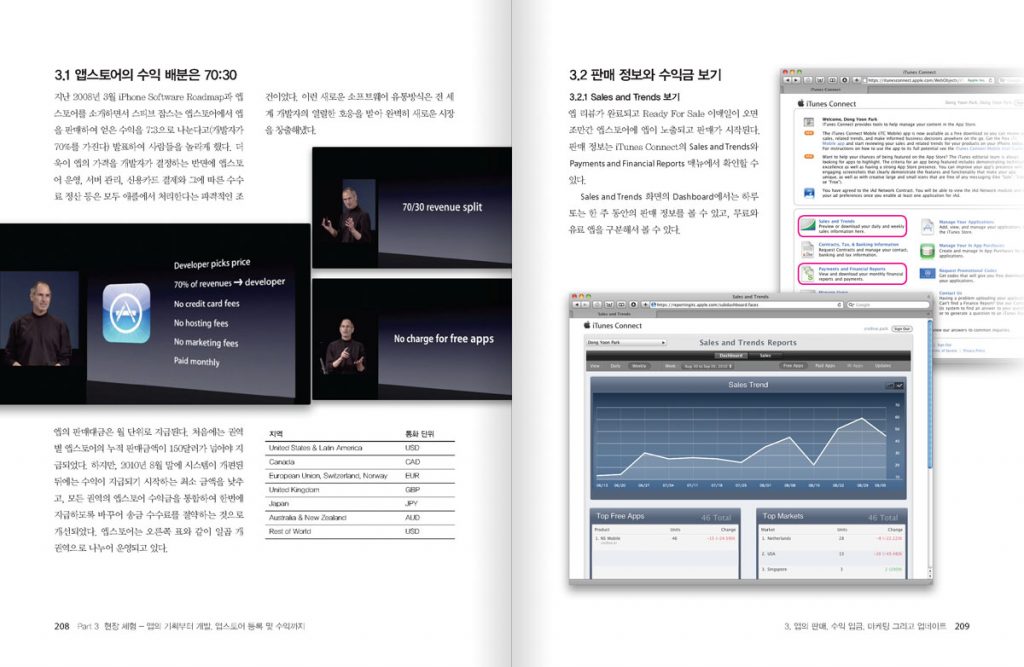
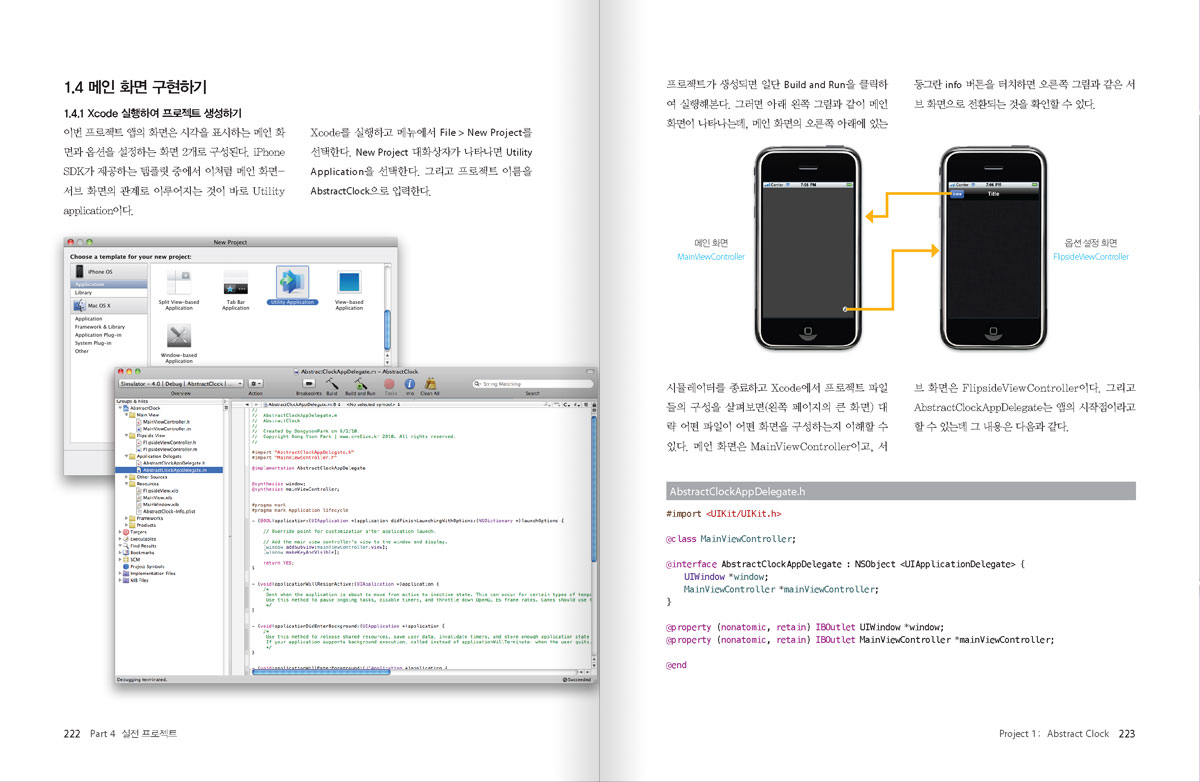
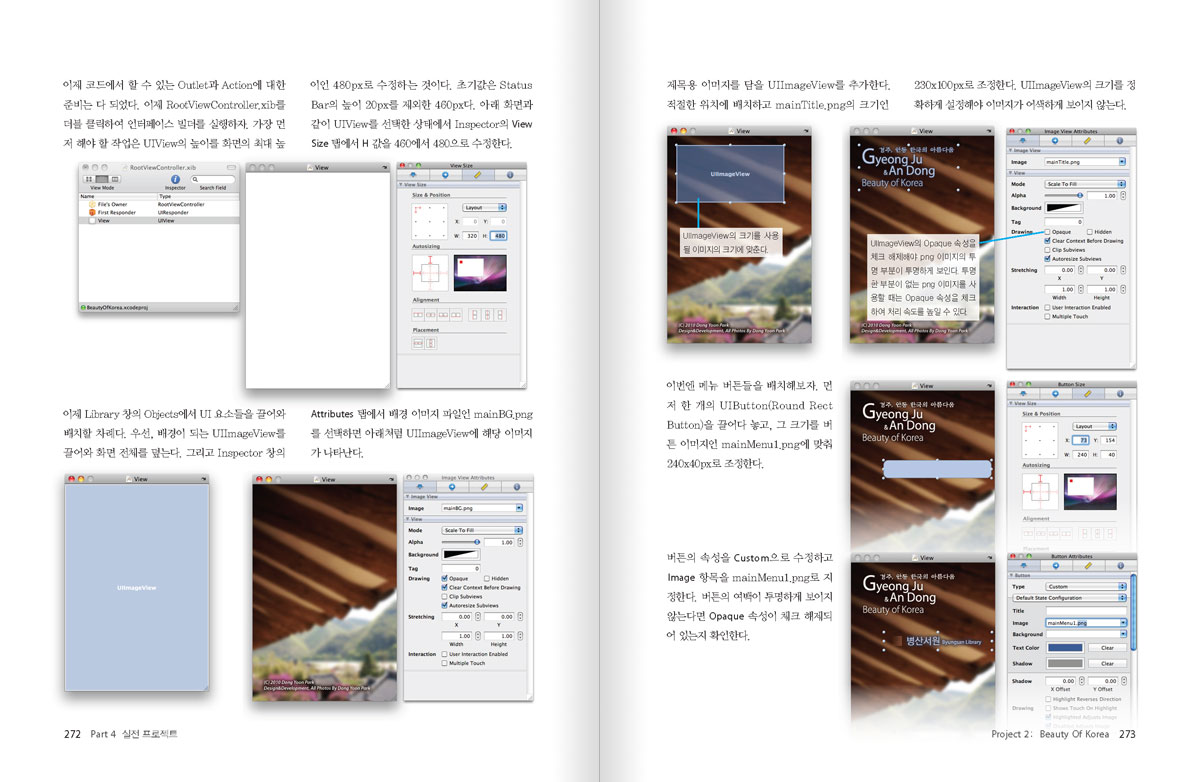
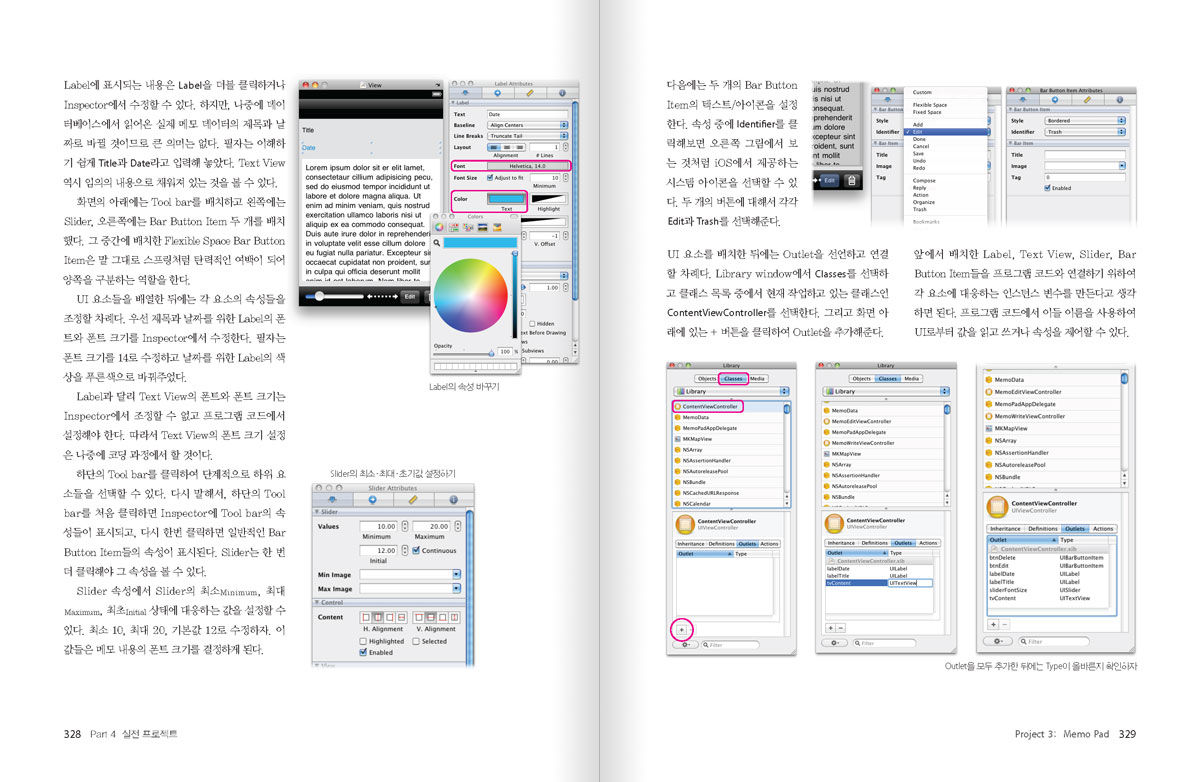
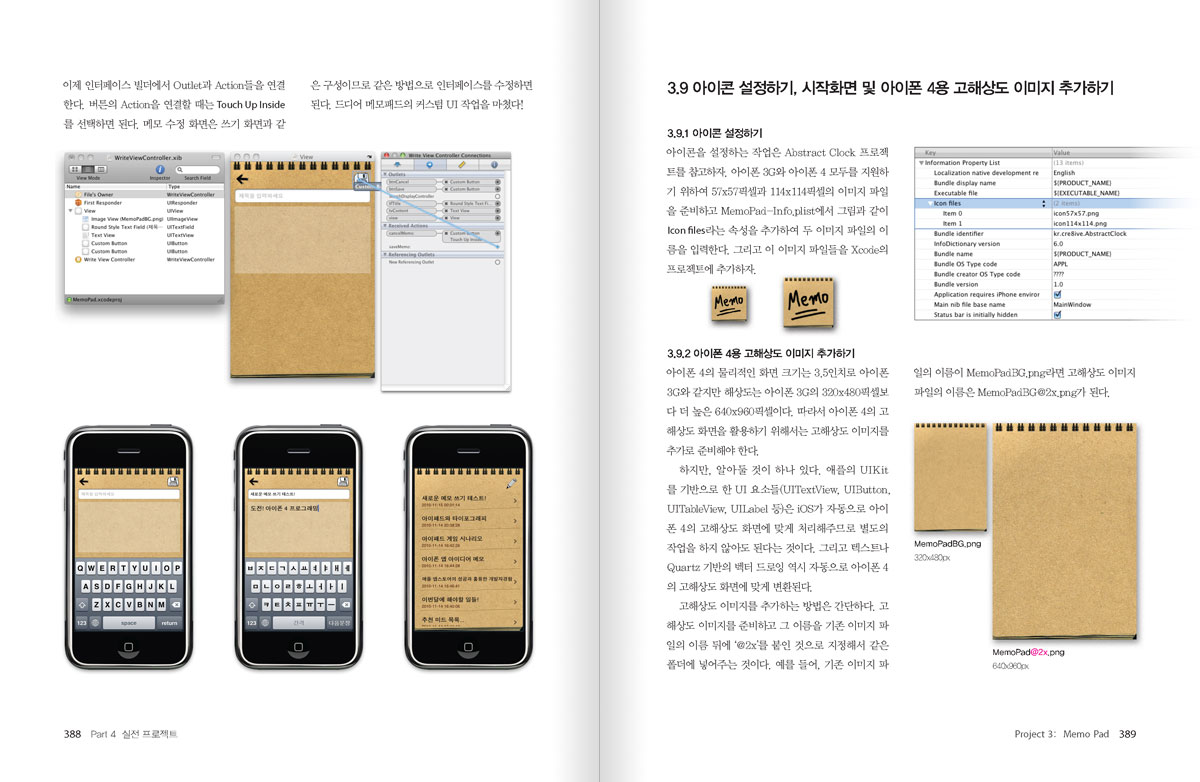
A design-led iOS programming book that combined software development, UX principles, and editorial design. Written and self-designed during the early years of the App Store, the book aimed to help designers and developers understand iOS as a visual and interaction-driven platform, not just a technical one.
Background
As a designer and indie developer, I had been building and publishing iOS apps since the early days of the App Store. Apple’s developer ecosystem—spanning UI frameworks, tools like Xcode and Interface Builder, and the Human Interface Guidelines—felt radically different from traditional application development. It was a fresh, eye-opening experience that placed visual design, interaction, and system coherence at the center of software creation.
Experiencing this shift firsthand, I wanted to capture and share what made iOS development fundamentally new: how design and engineering were deeply intertwined, and how understanding Apple’s tools and guidelines was essential to building great user experiences.
Problem
Most programming books at the time were:
- Black-and-white and heavily code-focused
- Difficult to use as visual references
- Poorly suited to explaining interaction patterns, UI components, and design tools
This approach didn’t reflect the reality of iOS development, which required a strong understanding of visual design, layout, and interaction.
Goal
Create a visually rich programming book that:
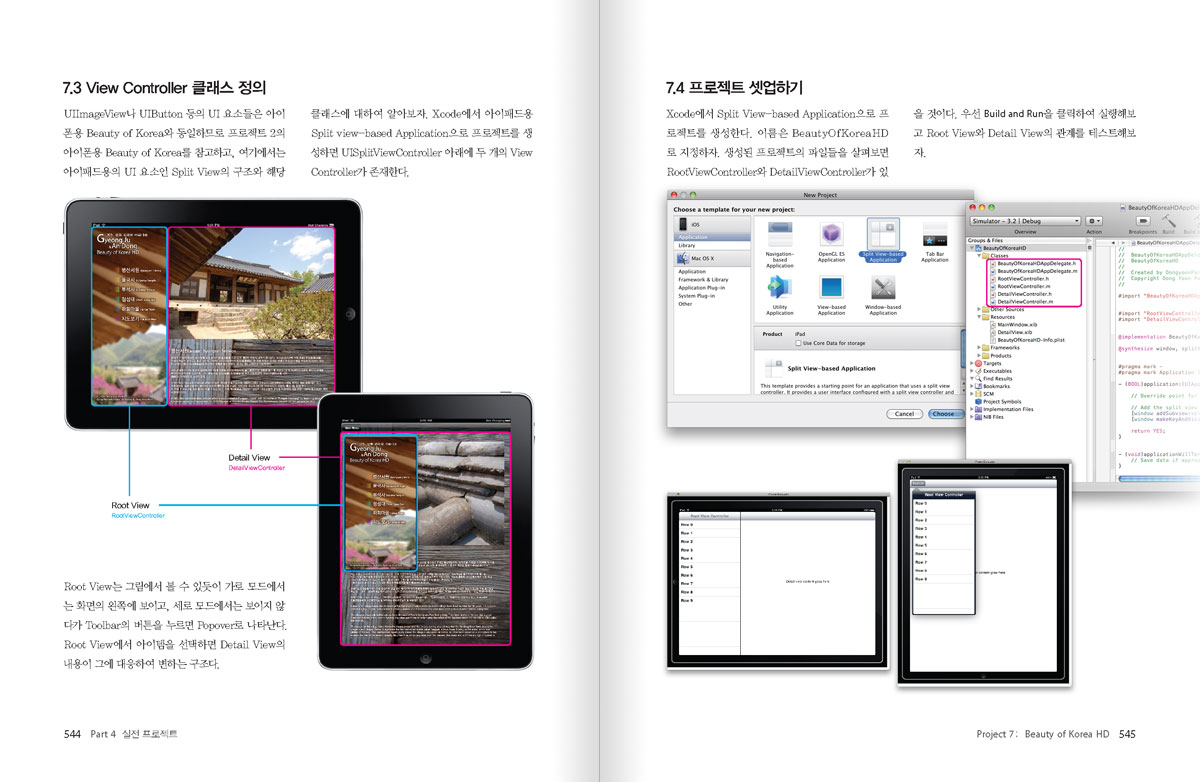
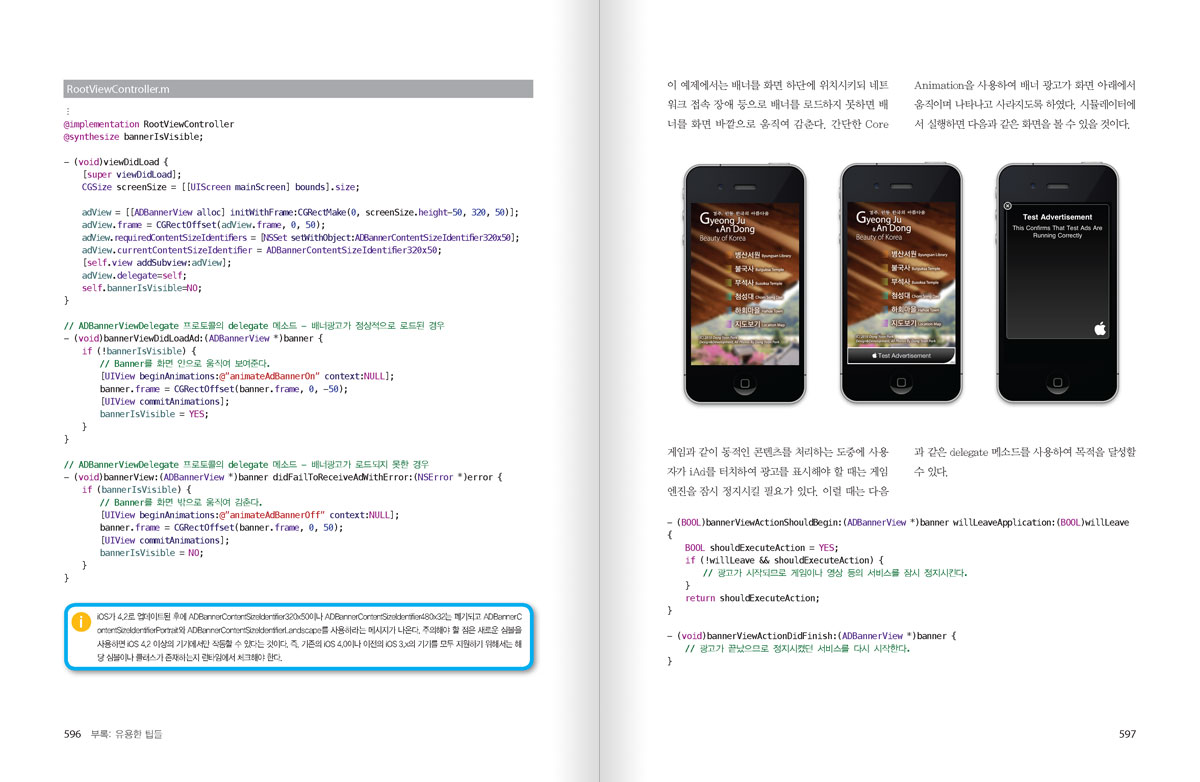
- Served as both a learning guide and visual reference
- Clearly explained iOS UI frameworks, tools, and interaction patterns
- Bridged the gap between design and development
- Felt fundamentally different from traditional programming books
Process
- Wrote all technical and design content based on real-world app development experience
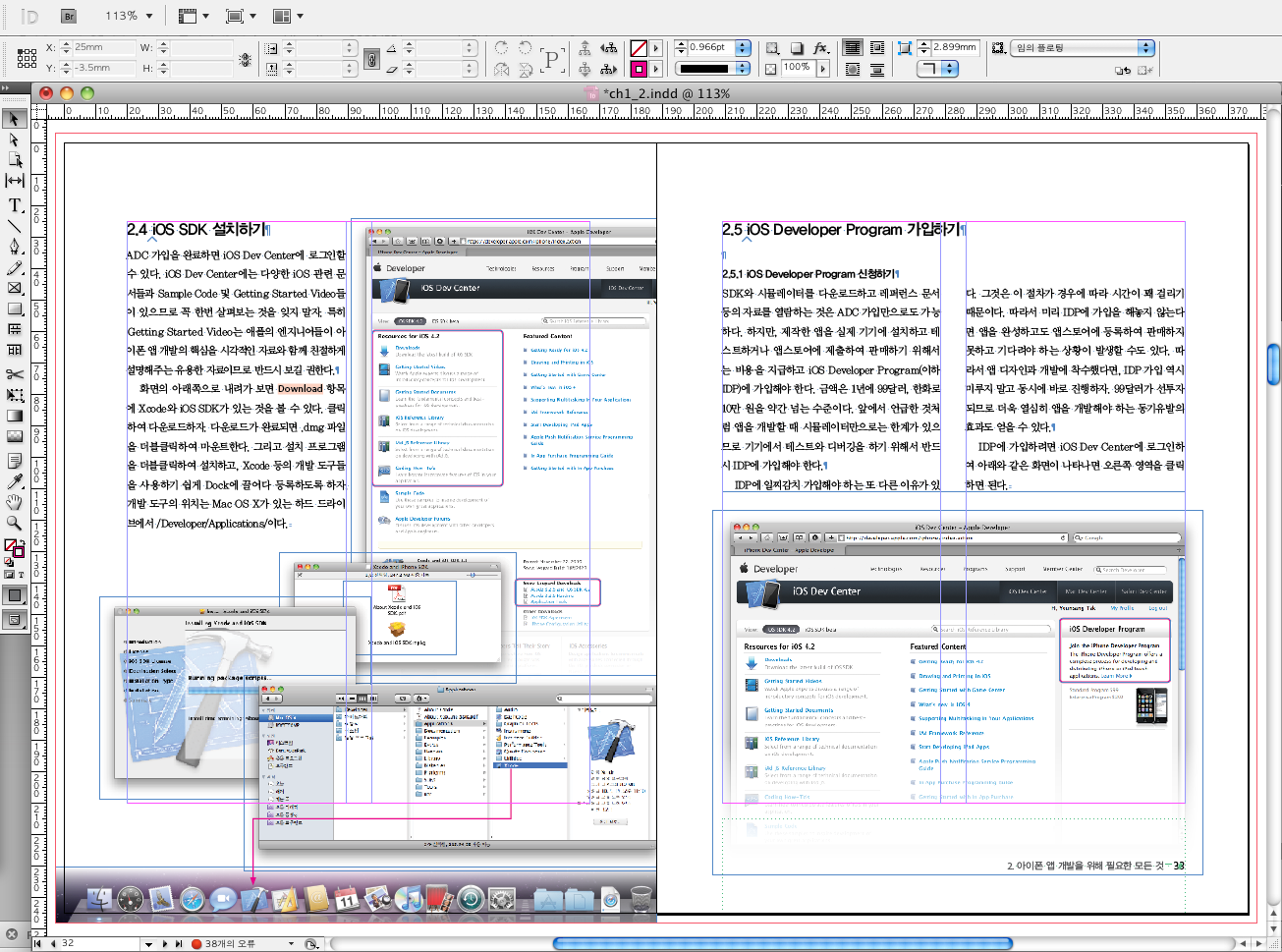
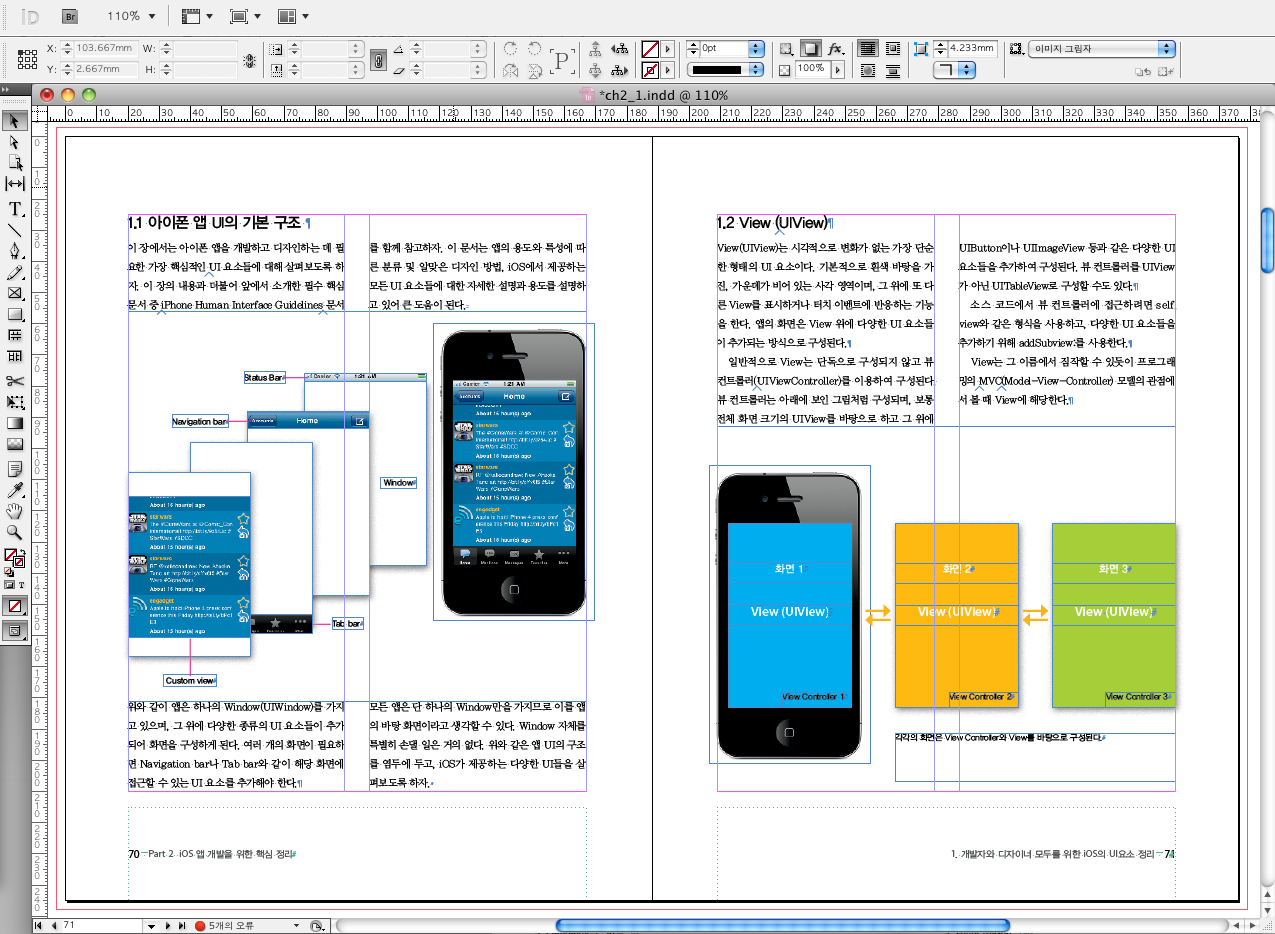
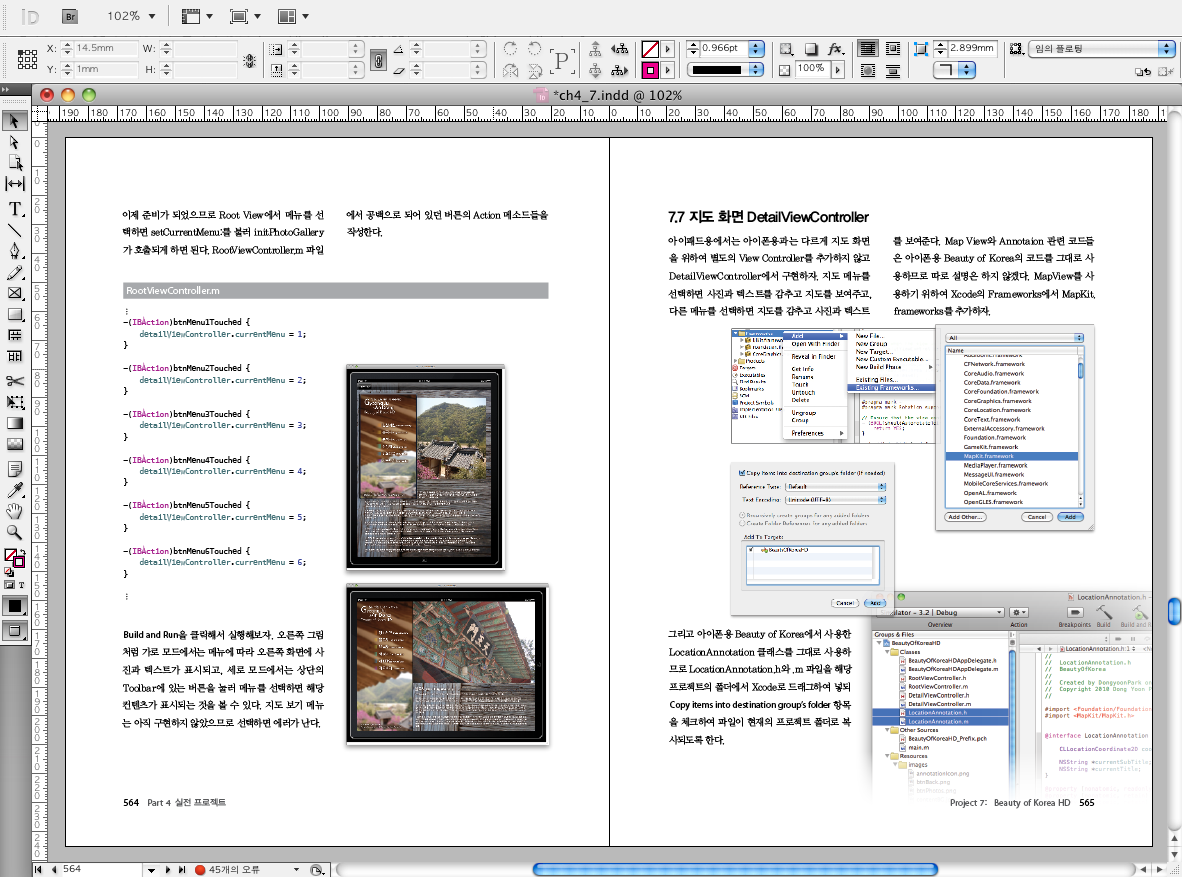
- Designed the entire book myself using InDesign, including layout, typography, and visual hierarchy
- Created diagrams, annotated screenshots, and example projects to explain concepts visually
- Focused on practical pain points designers and developers faced when building and shipping iOS apps
Outcome
- Became the best-selling iOS programming book in Korea
- 1st edition: 2011
- 2nd edition: 2012
- Widely used by students, designers, and developers as both a learning resource and long-term reference