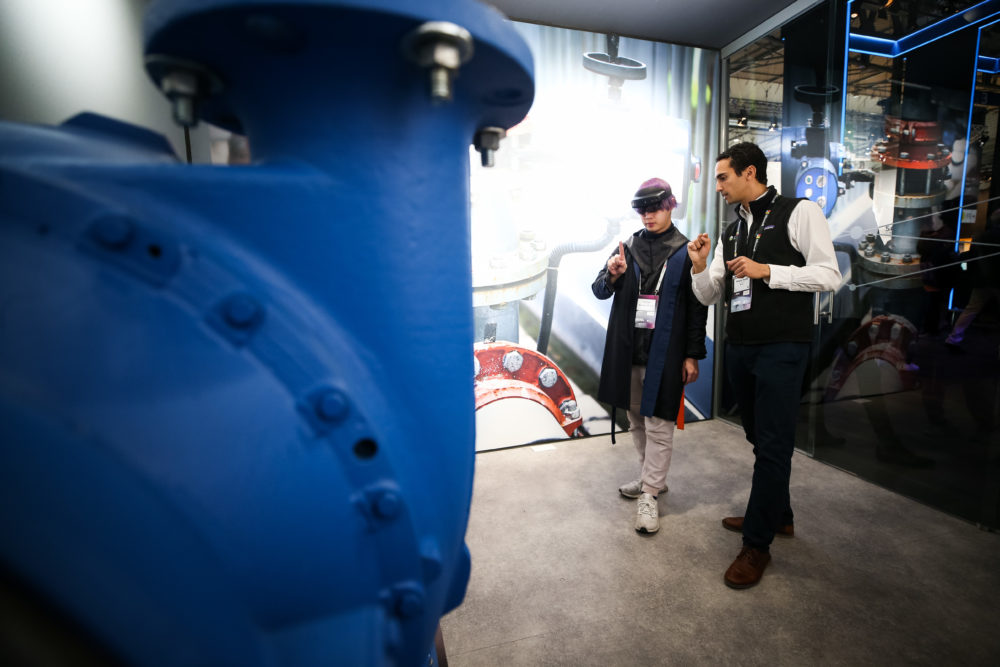
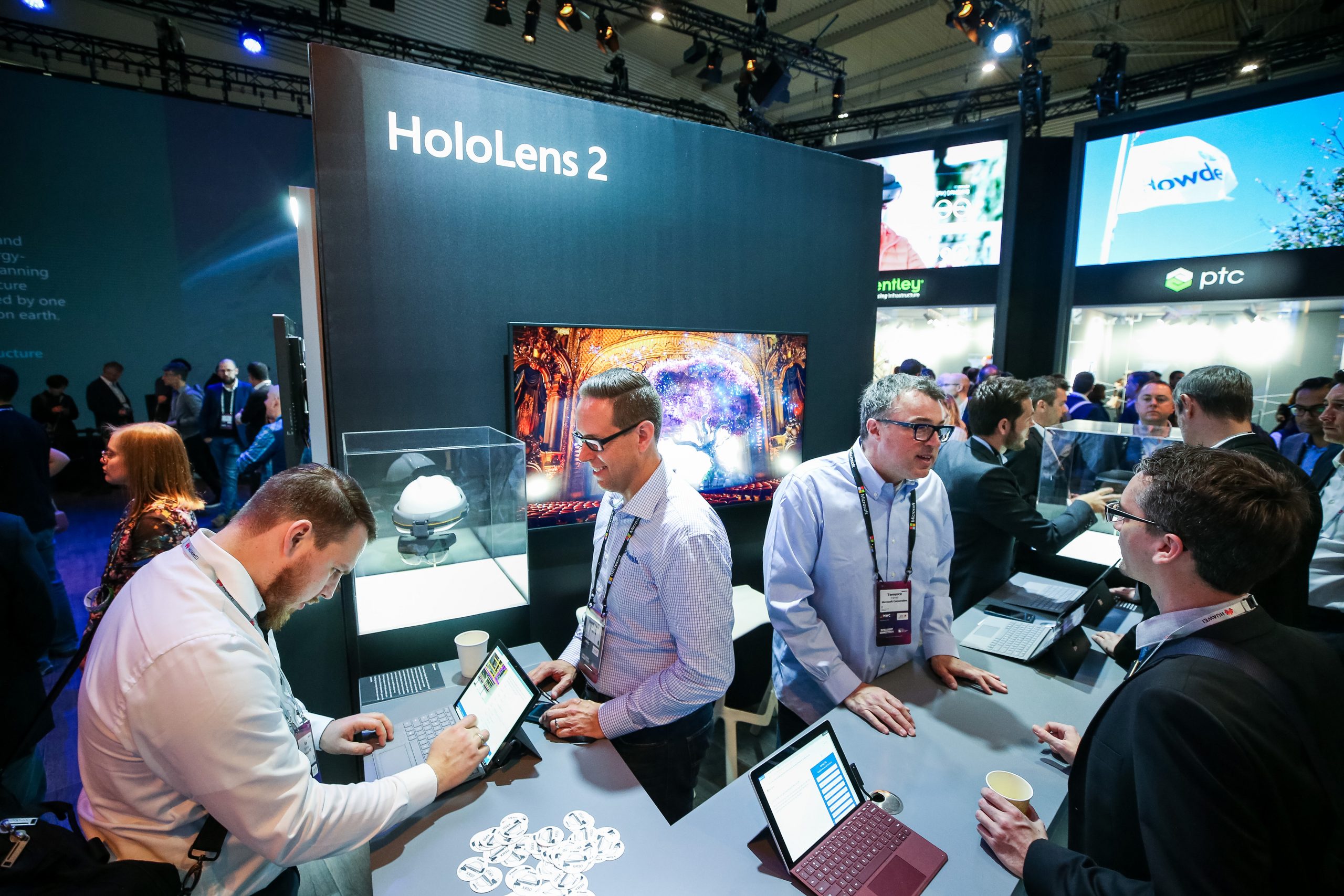
HoloLens 2 Announcement Partner Projects
Feb 2019, HoloLens & Mixed Reality Design Team | Analog | Microsoft
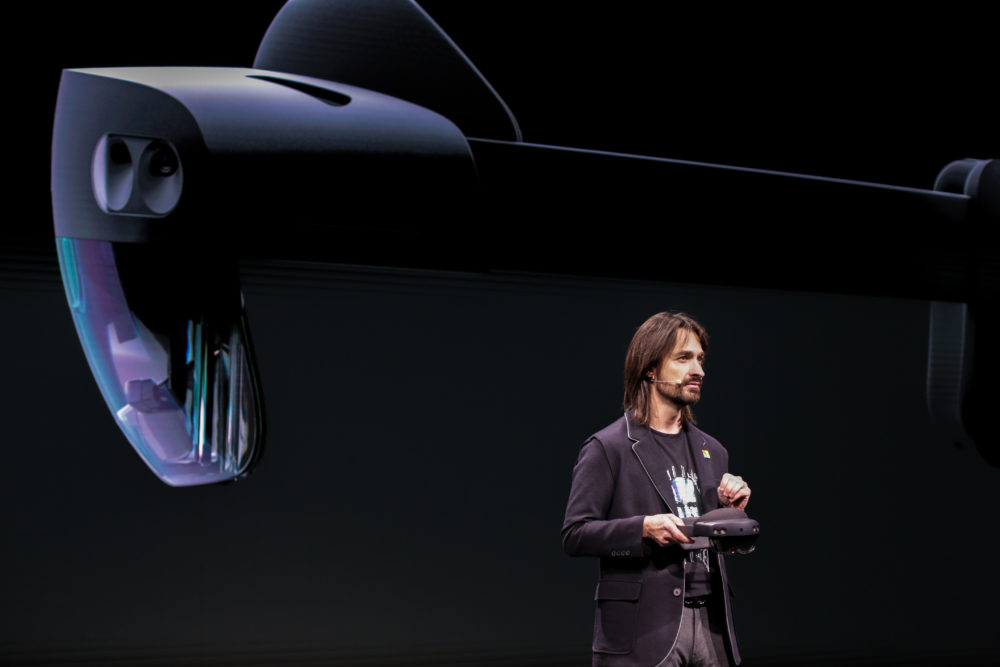
A collection of immersive experiences built with HoloLens 2 at launch, created in collaboration with partner teams to showcase the potential of next-generation mixed reality in real-world scenarios.
Scope & Impact
Scope
Principal Designer guiding interaction direction and UX quality across internal product teams and launch partners for the HoloLens 2 announcement, including hand tracking, eye gaze, spatial audio, manipulation, and content placement.
Impact
Established shared interaction standards across flagship experiences showcased at MWC 2019. Helped partners demonstrate credible healthcare, industrial, productivity, and spatial storytelling scenarios, while providing early reference patterns for the broader ecosystem.
Background
For the HoloLens 2 launch at MWC 19 Barcelona, Microsoft partnered with a diverse set of creators to develop showcase experiences spanning education, industry, productivity, and spatial storytelling. These partner projects were designed to highlight the capabilities of HoloLens 2 hardware — including hand tracking, eye tracking, articulated interaction, and spatial audio — while inspiring developers and customers with compelling use cases. Some of these projects were featured in the HoloLens 2 announcement keynote and product marketing materials.
Role
As Principal Designer, I collaborated with cross-functional teams, partner studios, and internal product groups to define interaction models, UX systems, and spatial experiences for multiple partner projects. My contributions spanned:
- Strategic interaction design direction grounded in HoloLens 2 capabilities
- UX consultation and review across partner deliverables
- Prototyping and validation of spatial interaction patterns
- Design coordination across product, hardware, and partner teams
Approach & Contributions
Partner Experience Design Support
I worked closely with partner studios at key milestones to ensure experiences took full advantage of HoloLens 2’s hardware capabilities while maintaining clear, usable spatial interactions. This included aligning gesture behaviors, supporting eye-gaze + hand interactions, and anchoring content and UI to meaningful spatial surfaces.
Interaction Pattern Definition
To help partners ship high-quality UX, I documented reusable spatial interaction patterns that addressed:
- Selection and manipulation in 3D space
- Gestural vocabulary mapping across diverse content types
- Spatial audio cues for feedback and interaction confirmation
- Consistency with Microsoft’s spatial UX principles
Prototyping and Iteration
I developed prototypes to validate interaction ideas and surface potential usability friction, helping partners iterate toward solutions that felt intuitive and responsive on hardware.
Cross-Team Alignment
Enabled consistency across projects through design reviews, shared pattern guidance, and coordination with product and engineering teams to ensure alignment with platform expectations.
Outcome
The partner experiences served as early flagship examples of HoloLens 2’s interaction and spatial capabilities, reinforcing confidence in the platform’s potential. By aligning design standards and interaction patterns across multiple teams and studios, these experiences helped establish early norms for hand tracking, eye gaze, spatial audio, and articulated interaction on the device.
- Philips and Microsoft HoloLens 2: could augmented reality change the face of image guided therapy?
- PTC accelerates industrial adoption of mixed reality with Microsoft Hololens 2 support